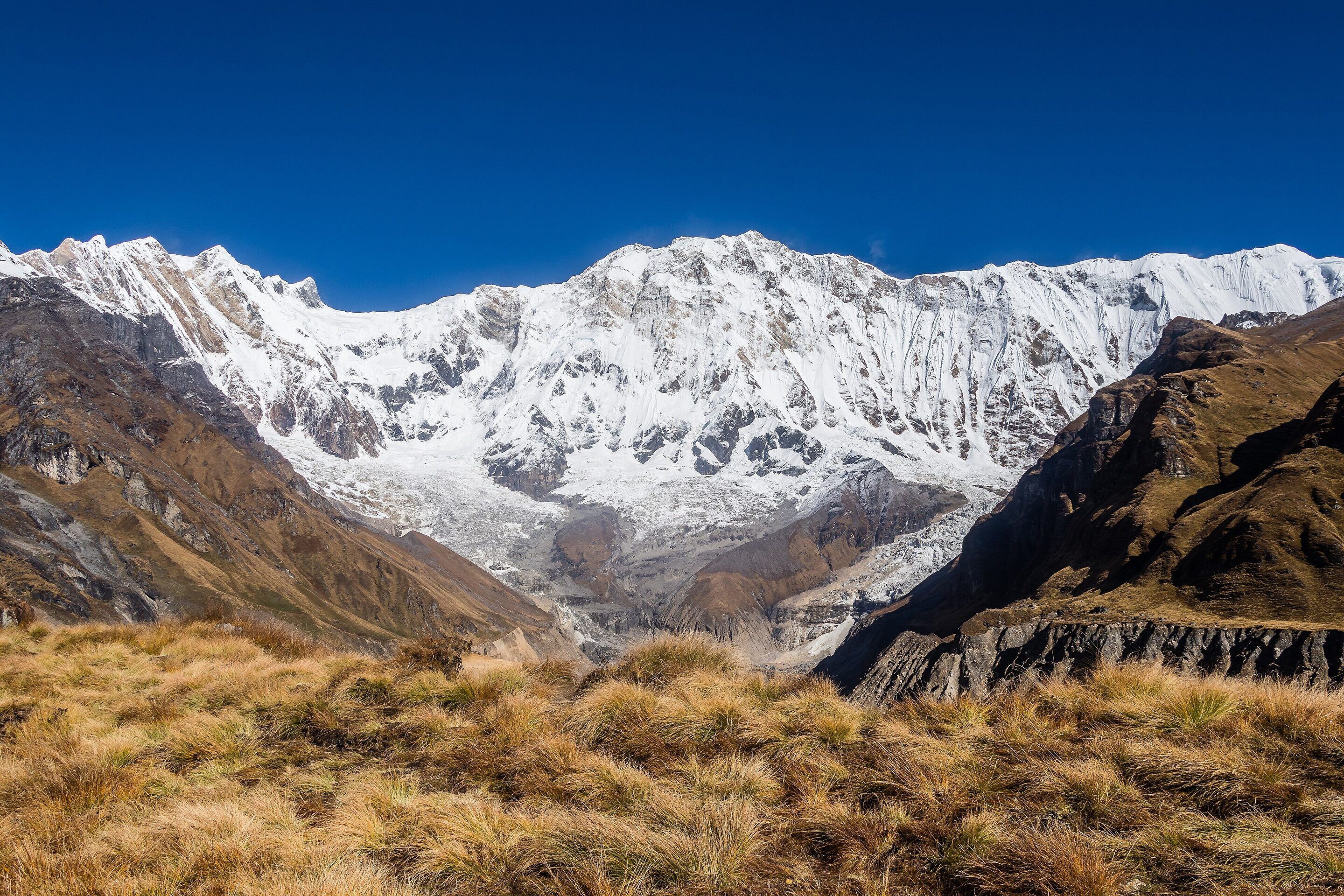
Every trek in the Annapurna region, in one place
Search, compare and book trekking packages from licensed local operators.
Popular treks
The trek packages travellers book most in the region.
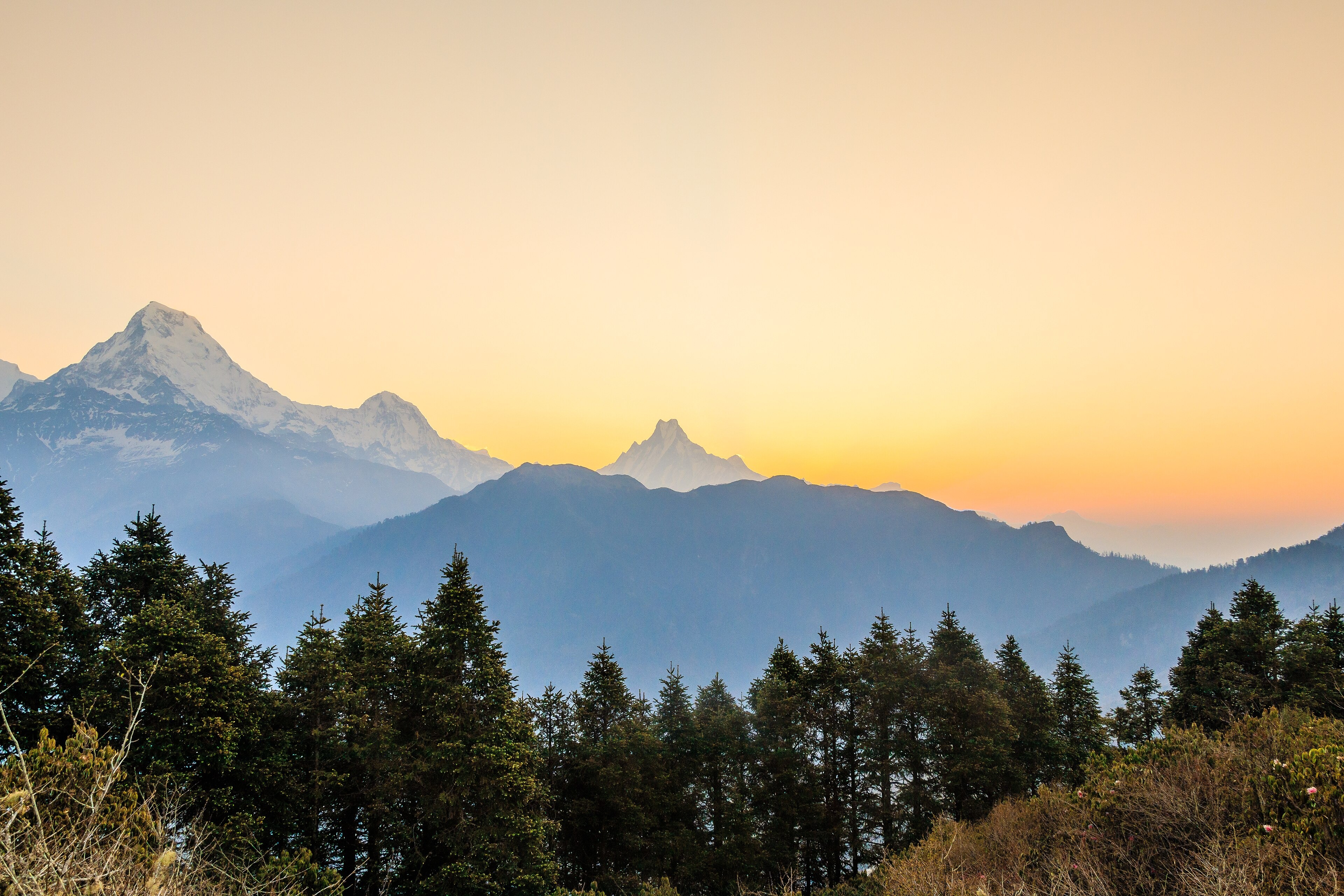
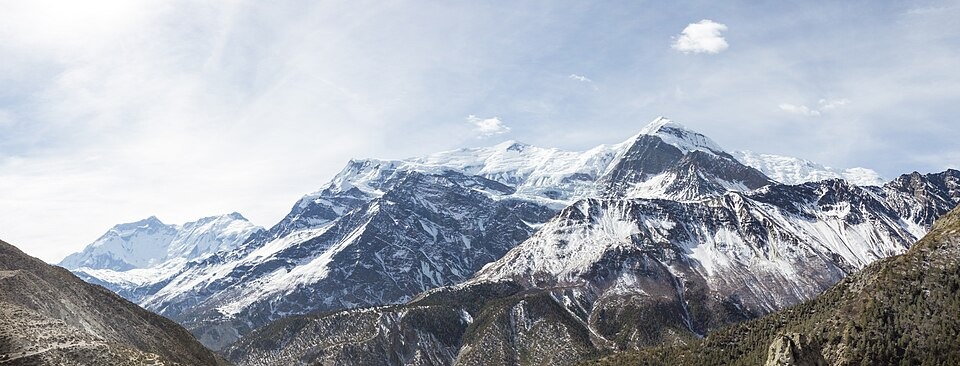
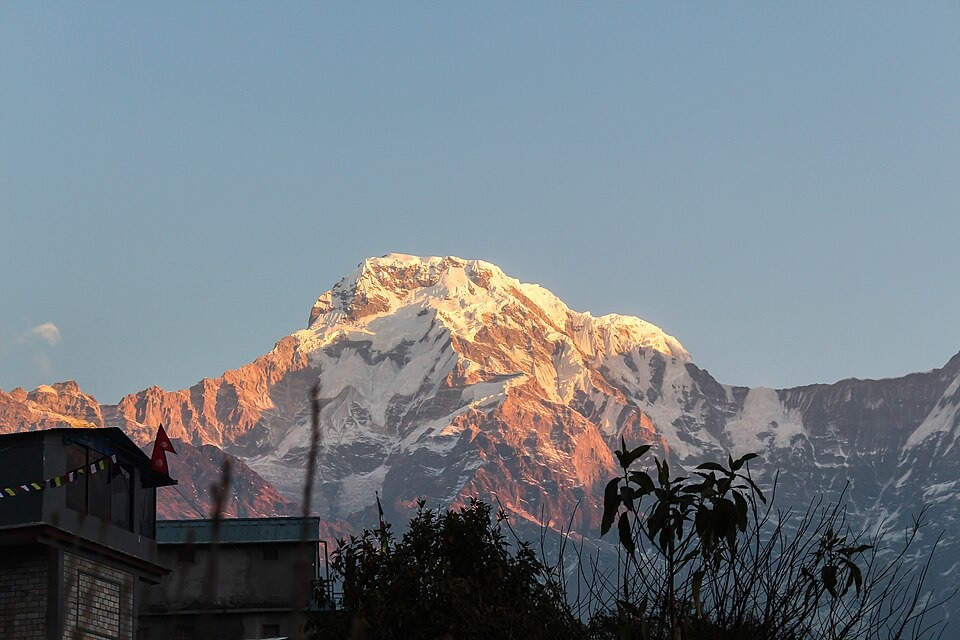
Why book with Annapurna Trekkers?
Licensed local operators
Every operator is registered in Nepal and checked by us before their first listing goes live.
Clear prices
Per-person prices by group size, with inclusions and exclusions listed on every package.
Request first, pay later
Sending a request is free and doesn't commit you to anything.
Real people in Nepal
Questions before or during your trip? Message us on WhatsApp or email.
Know before you go to the Annapurna Region
Spring (March to May) and autumn (late September to November) are the best seasons for trekking in the Annapurna region. The trails are dry and the mountain views are at their clearest, and in spring the rhododendron forests are in bloom.
Summer (June to August) is the monsoon: rain, leeches and cloud on the lower trails. Winter (December to February) is cold but clear, and high passes such as Thorong La can close after heavy snow. Dashain and Tihar, Nepal's biggest festivals, usually fall in October and November, when buses and teahouses fill up, so book early.
- Permits: every trek in the region needs an Annapurna Conservation Area Permit (ACAP). Check each package's inclusions to see whether it is arranged for you.
- Cash: carry Nepalese rupees. There are few ATMs on the trail and teahouses rarely take cards.
- Insurance: get travel insurance that covers trekking to your highest altitude and helicopter rescue.
- Altitude: go up slowly, drink plenty of water and tell your guide early if you feel unwell.
Country code
+977
Language
Nepali
Currency
Nepalese rupee
Highest peak
Annapurna I, 8,091 m
Trek packages
1
Frequently asked questions
How does booking work?
Choose a trek, pick your dates and group size, and send a booking request. It's free and nothing is charged. The operator replies within 24 hours to confirm the details with you.
Who runs the treks?
Licensed local operators registered in Nepal. We check every operator before their first listing goes live, and each trek page shows who runs it.
When is the best time to trek in the Annapurna region?
Spring (March to May) and autumn (late September to November). Summer is the monsoon and winter can close the high passes.
What permits do I need?
An Annapurna Conservation Area Permit (ACAP) for every trek in the region. Each package lists whether permits are included.
How fit do I need to be?
It depends on the trek. Each one shows a difficulty grade. Short treks such as Poon Hill suit anyone who walks regularly; the Annapurna Circuit crosses Thorong La at 5,416 m and needs good fitness and time to acclimatise.
Do I need travel insurance?
Yes. Choose a policy that covers trekking up to the highest altitude on your route and helicopter rescue.