Available languages

Responsible travel

Trekking that leaves the region better off

The Annapurna region is home to thousands of people and a protected landscape. Here is how we and the operators we list look after both, and how you can help.

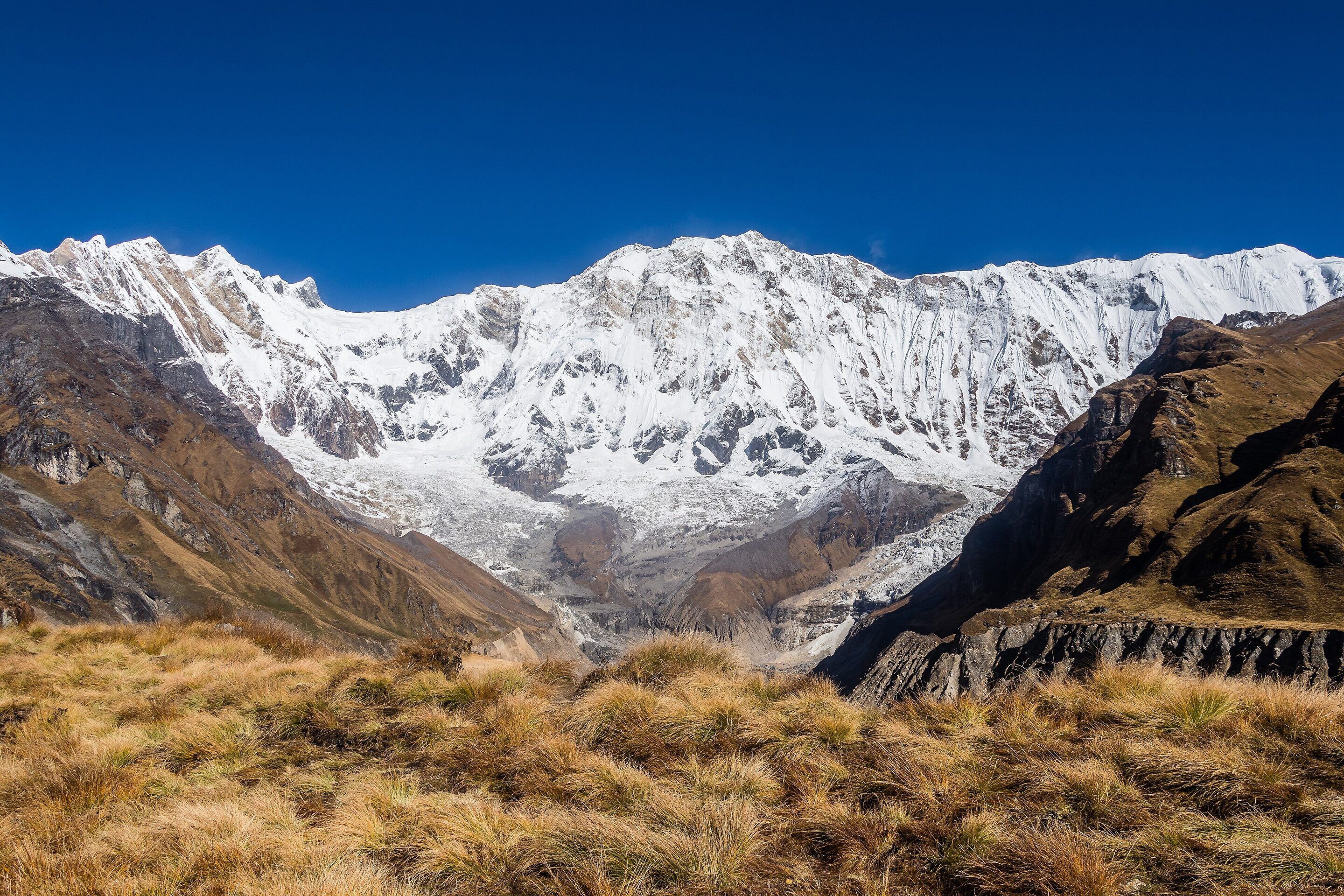
The Annapurna massif above the grasslands at Annapurna Base Camp

The people who make the trek

Guides and porters are the heart of every trek. Every operator we list must treat them fairly.

  • Fair wages paid in full, with insurance for every guide and porter
  • Proper clothing, footwear and sleeping gear for the altitude
  • Sensible loads, so porters stay safe and healthy
  • A sick or injured staff member is never left alone on the trail

Safety at altitude

Most problems at altitude come from going up too fast. Our itineraries are built to give your body time.

  • Above 3,000 m, common medical guidance is to raise your sleeping altitude by no more than about 500 m a day
  • Rest or acclimatisation days on longer, higher treks
  • Guides trained to recognise altitude sickness, with the authority to turn back
  • Travel insurance that covers helicopter rescue is required on every trek

Protecting the mountains

Every trek in the region crosses the Annapurna Conservation Area. Your permit fee goes to conservation and local development there.

  • Small groups that stay on established trails
  • Carry out what you carry in, including batteries and plastic
  • Refill a bottle at safe drinking water stations instead of buying plastic
  • Teahouses and local lodges instead of camps where possible

Respect for local communities

The trails pass through Gurung, Magar and Thakali villages. Travelling well means your money and respect stay there.

  • Stay and eat in family-run teahouses
  • Dress modestly and ask before taking photos of people
  • Walk to the left of mani walls and stupas, keeping them on your right
  • Buy local food and crafts instead of imported goods

How you can help

Small choices by every trekker add up across thousands of visitors a season.

  • Take out insurance that covers helicopter rescue to your trek's highest point
  • Bring a refillable bottle and purification tablets or a filter
  • Pack out your rubbish, including batteries
  • Tip your guide and porter if you're happy with them
  • Tell your guide early if you feel unwell
NextCompany & contactCompany details and how to reach us